
10 waters you should definitely try when in Spain 🇪🇸
- Dec 26, 2025
- 4 min read
Updated: Apr 23
During my trip to Valencia in December, I searched for the best mineral waters Spain has to offer. Wherever you go, whether it's a supermarket, a small street café or a hotel, you'll find a wide selection of mineral waters from different regions of Spain. I have selected ten that I would like to tell you more about.
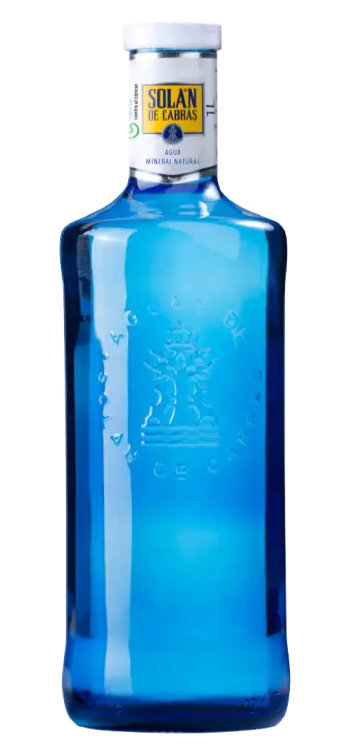
A classic, presented in its distinctive blue bottle. It is soft, balanced and slightly mineralised, and comes from a spring in the Serranía de Cuenca mountain range, between Madrid and Valencia. It takes 3,600 years for the water to acquire its unique mineral content. The total mineralisation is 260 mg per litre. As part of the Mahou-San Miguel group, Solán de Cabras is widely available in restaurants, hotels and supermarkets.
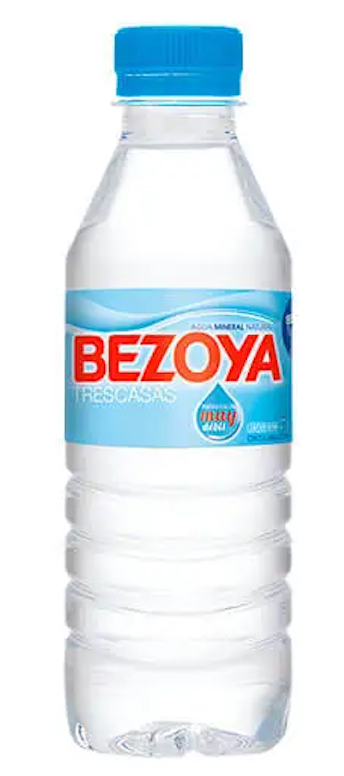
With an extremely low mineral content, Bezoya is one of the softest waters in Spain. It has a total mineral content of just 27 mg per litre. It is ideal for those who prefer particularly light water. The Bezoya spring is located in the heart of Spain, within the Sierra de Guadarrama Natural Park. The brand itself belongs to the Calidad Pascual company, which also owns the Vive Soy, Bi Frutas and Leche Pascual brands.
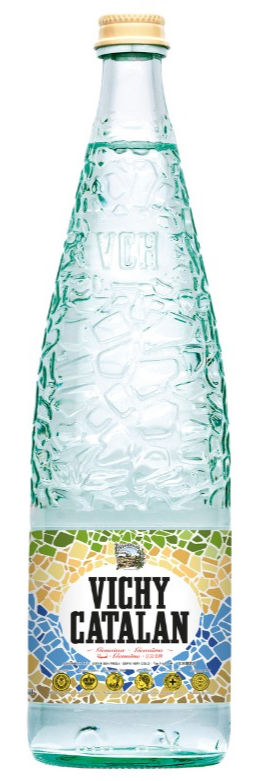
Vichy Catalan hails from Catalonia. Founded in 1881, it is now one of the country's best-known mineral waters. It is sourced from the Font del Regàs spring and bottled directly at the source. Notable features of Vichy Catalan include its natural high carbonation and total mineralisation of 2,900 mg per litre. The high levels of sodium, chloride and hydrogen carbonate give the water its distinctive, slightly salty taste.
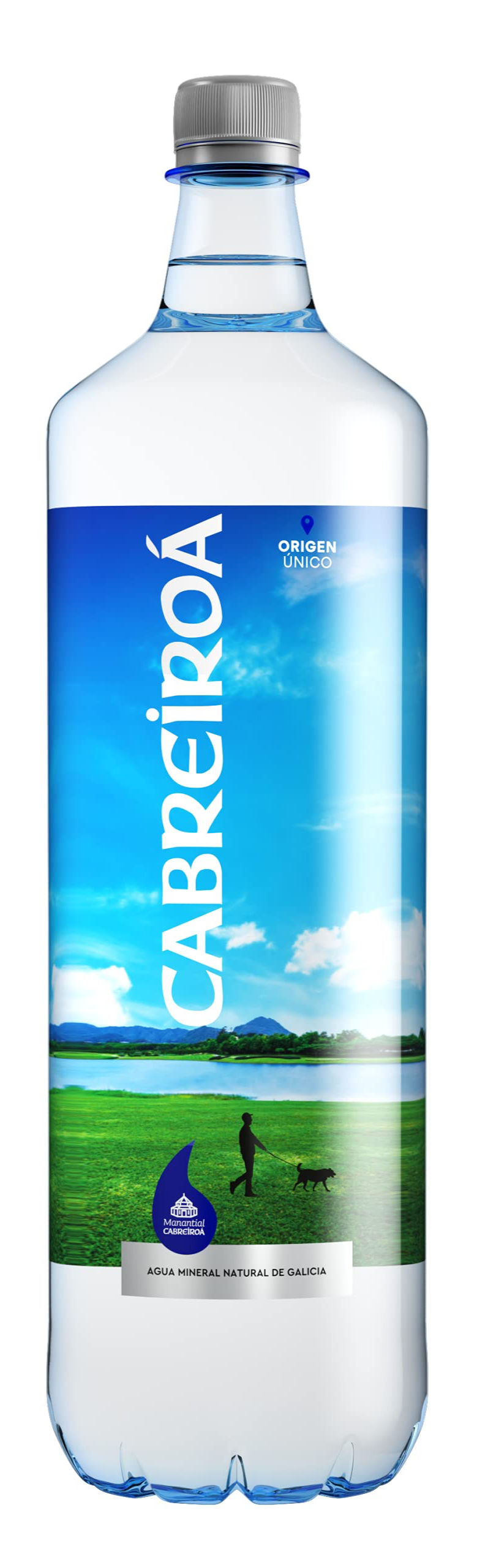
Cabreiroá is a natural mineral water from Galicia. It originates from a spring of the same name near Verín in Ourense, and has been bottled since the early 20^(th) century. It was already renowned for its mineral properties back then. The water originates from a depth of 150 metres and has a total mineralisation of 202 mg per litre.
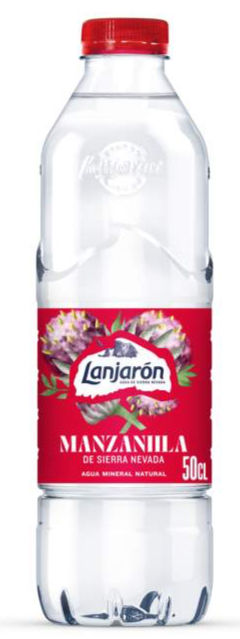
Lanjarón originates from the Sierra Nevada, a mountain range stretching across the provinces of Granada and Almería. The brand is now owned by Danone. It is bottled at the Salud spring and is characterised by its very low mineral content. With a total mineral content of just 200 mg per litre, the water is low in minerals. Due to this, Lanjarón is considered easily digestible and is suitable for those who want to consume less sodium or are sensitive to highly mineralised water.

Mondariz is sourced from the eponymous region in the Spanish province of Pontevedra, where it has been bottled since 1873. One of Spain's premium water brands, it is available in both still and sparkling varieties. Originally sold as medicinal mineral water in pharmacies, it was later marketed under the Aguas de Mondariz brand. Its total mineralisation is 177 mg per litre.
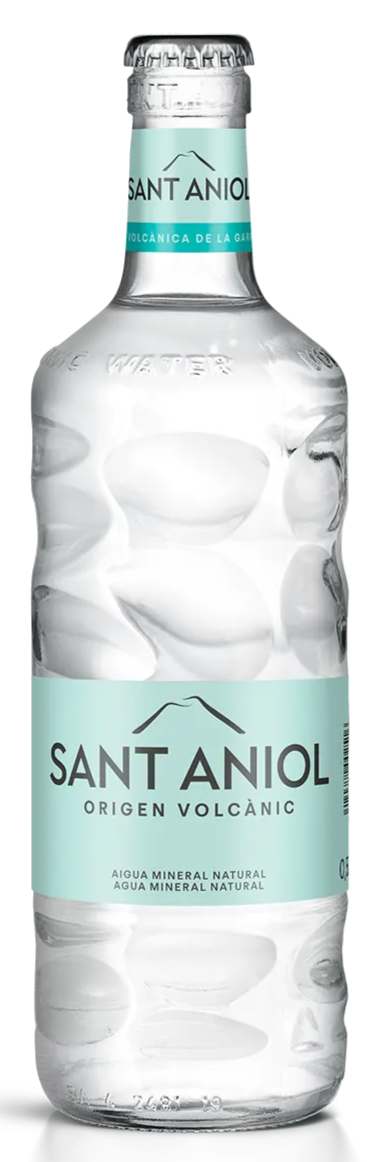
Sant Aniol water originates from the volcanic region of La Garrotxa in the province of Girona, Catalonia. Bottled since the 1990s, it is characterised by its volcanic origin and high purity. The spring is located 120 metres underground and is surrounded by 275 hectares of nature. Filtration through volcanic rock layers over thousands of years gives the water its unique composition, with a total mineralisation of 313 mg per litre. The calcium content predominates, giving the water its distinctive taste.
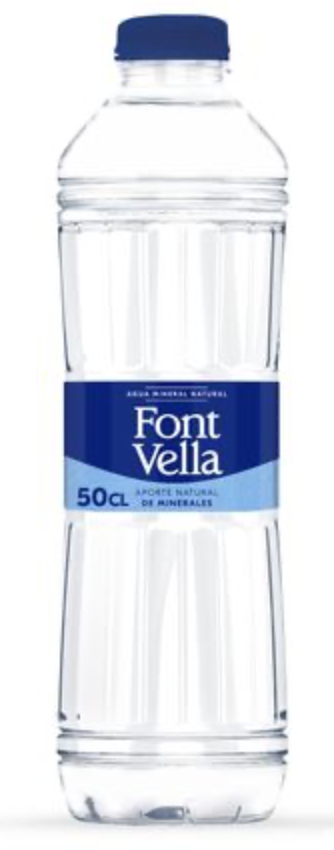
Font Vella has belonged to Danone since 1994. The company sources its water from two locations: Les Guilleries in Sant Hilari Sacalm, Girona, and the Barranco Río Dulce Natural Park in Sigüenza, Guadalajara. The total mineralisation is 303 and 558 mg per litre.
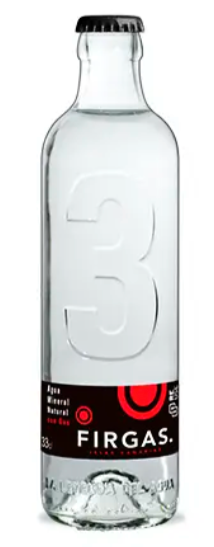
Firgas is from the Canary Islands. The island's volcanic groundwater has traditionally been very popular and can be found in every restaurant and hotel. Unfortunately, the website does not provide any information about the mineral content of the water.
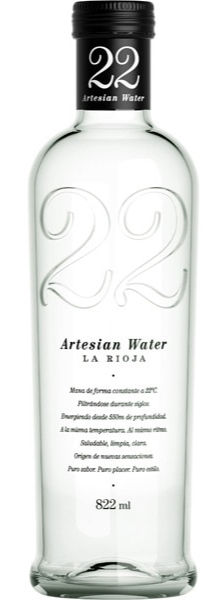
22 Artesian Water is a natural mineral water from La Rioja, sourced from an artesian spring. It is extracted from a deep underground spring where the water is filtered through geological layers over a long period of time. Its name comes from the fact that the spring's temperature is constantly around 22 °C. The total mineralisation is 485 mg per litre, with calcium being the dominant mineral.
Conclusion:
This journey through Spain's mineral water landscape demonstrates the impressive diversity of water. From extremely low mineralised waters such as Bezoya and balanced classics such as Solán de Cabras and Mondariz, to highly mineralised waters such as Vichy Catalan and waters with a strong character such as 22 Artesian Water, Spain offers the right mineral water for every taste and occasion. The influence of the regions of origin is particularly fascinating. Have fun exploring on your next holiday in Spain!
With this said: Drink water, #stayhydrated
Best regards,
Timo Bausch
Certified Water Sommelier
About SOMMCADEMY
Water is more than just a basic necessity. It represents taste, health, and experience. A new awareness is emerging: Drinking mindfully, recognizing differences, and truly understanding quality. As a certified Water Sommelier, I founded SOMMCADEMY to share the diversity and unique characteristics of mineral water with the world. With SOMMCADEMY, you can experience water in a whole new way, as a sensory journey that will make your event truly special / Timo Bausch Founder of SOMMCADEMY
Experience water in a new way. Book your exclusive experience now in Dubai, Abu Dhabi, or anywhere in the world.


